📚
Learn free
90+ plain-English guides across 12 research topics — no signup, no paywall.
Browse the guidesFace a free AI mock viva on your real project in minutes. Founding beta members keep an extended free allowance.
GradSummit is the complete system for graduate researchers: 9 books, 33 free tools, and 90+ step-by-step guides that carry you through every stage — design, data, analysis, writing, and publishing.
★ 4.5 average across the series on Amazon · Adopted as required reading at accredited universities · By Dr. Rafiq Muhammad, MD, PhD
Build a proposal — and a budget — that reviewers actually fund.
90+ plain-English guides across 12 research topics — no signup, no paywall.
Browse the guides33 free interactive tools — test selectors, calculators, planners, generators.
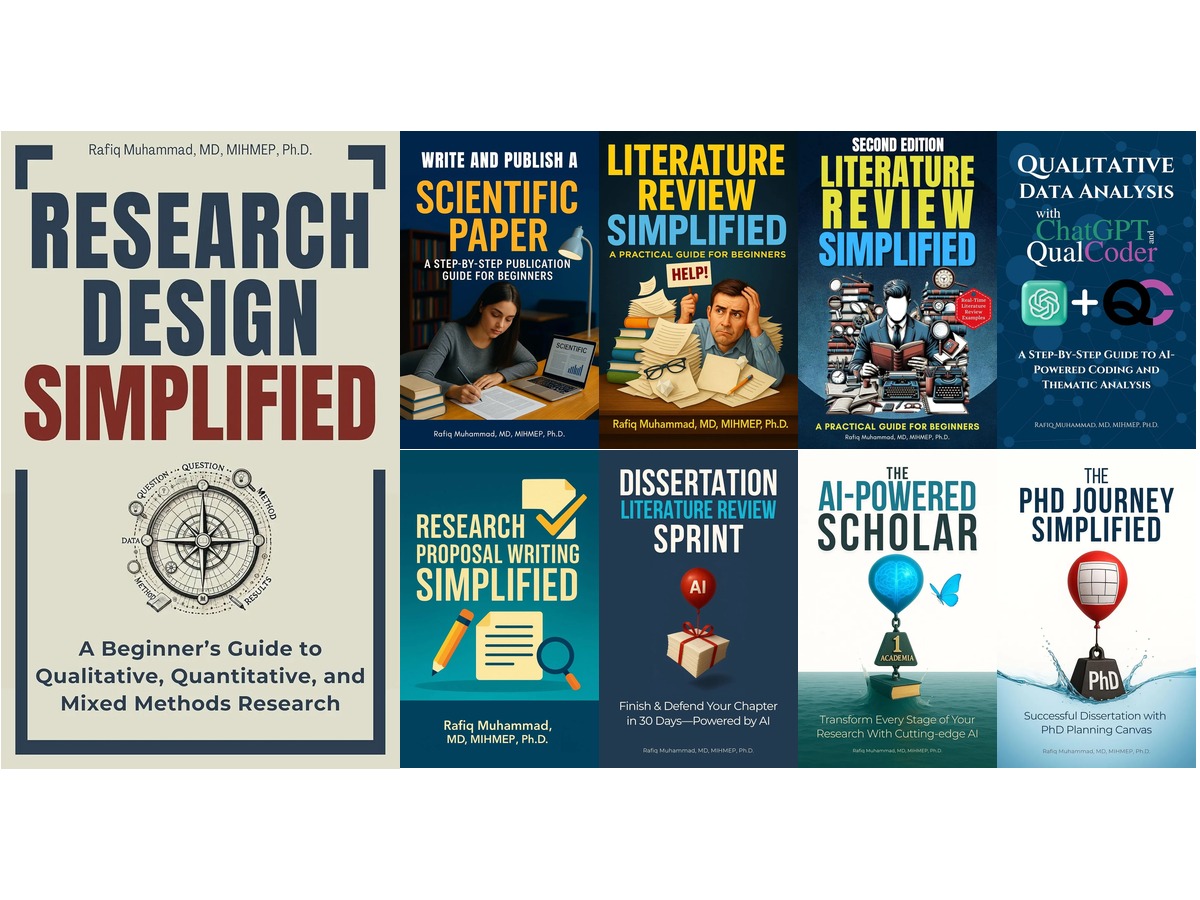
Open the toolsThe 9-book Mastering Research series — the full method, end to end.
See the books


Start with the Research Design Toolkit: the templates & checklists that make method selection easy. Each book below has its own free toolkit too.
Printable worksheets and companion spreadsheets from the Mastering Research workbooks — sample size, data cleaning, scoping reviews, abstracts, journal submission, AI disclosure and the viva.
See the kitsMeasured, not advertised: median days from submission to acceptance for PubMed journals, with the sample size behind every number. Free.
Look up a journal
A practical, step-by-step library that guides graduate students and early-career researchers across the full research lifecycle—from design to publication.
The Mastering Research series demystifies academic research through concise, actionable books. Each volume breaks down complex tasks—designing studies, analysing qualitative data, conducting literature reviews, writing scientific papers, crafting proposals, harnessing AI tools and managing PhD journeys—into clear steps, templates and checklists. Developed by Dr. Rafiq Muhammad, an experienced researcher with medical and data-science training, the series blends real-world examples, ethical guidelines and AI techniques to help scholars produce rigorous, reproducible research.
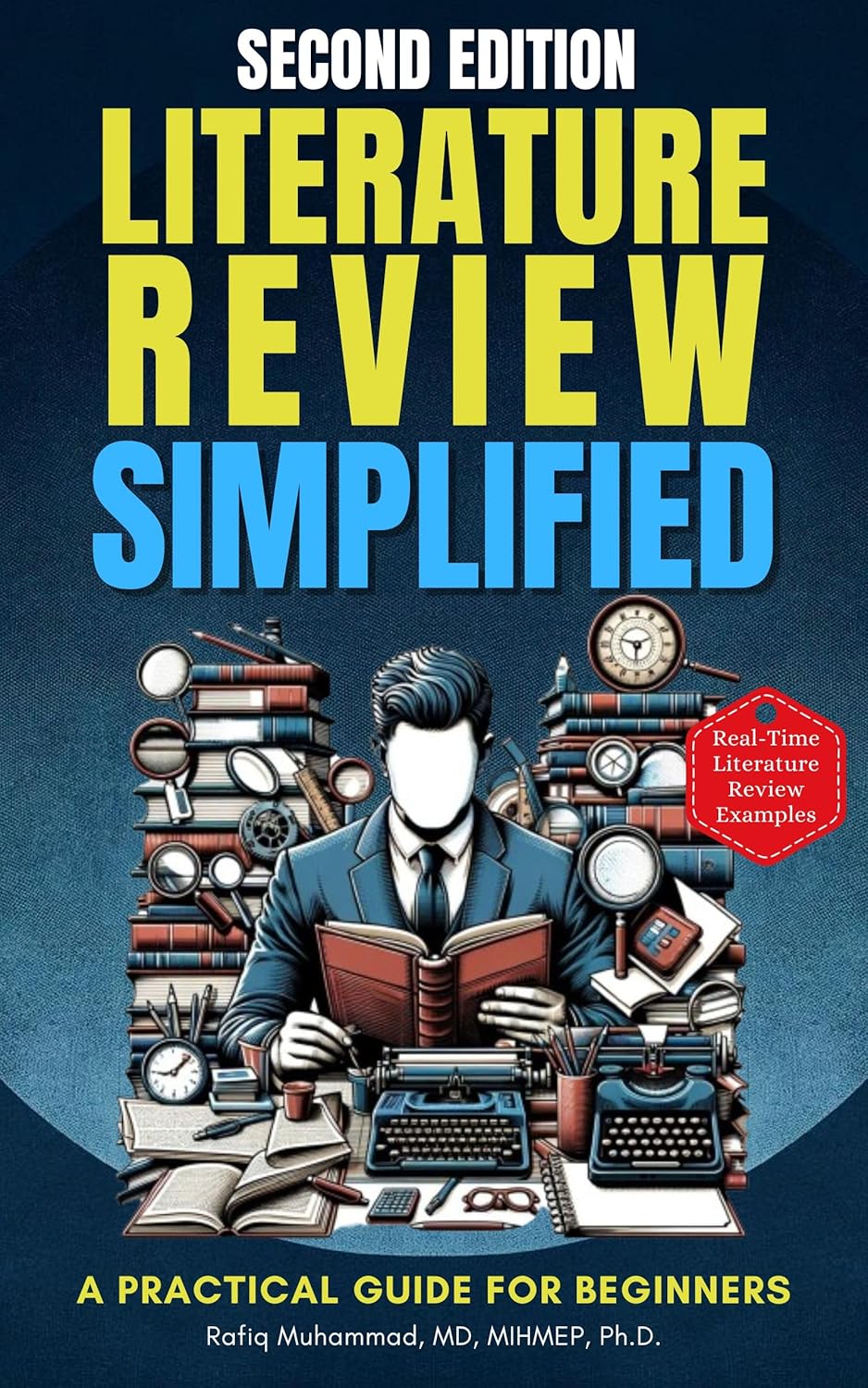


“The 10-step lit review system saved my semester.”
“Finally published my first paper. The templates were gold.”
“Clear prompts + QualCoder workflow cut my coding time in half.”
A 9-book toolkit that covers the complete research journey: research design, literature review, proposal writing, qualitative data analysis (ChatGPT + QualCoder), writing and publishing a scientific paper, PhD journey planning, and an AI-powered researcher’s playbook. It’s built for clarity, speed, and reproducible results.
Grad students and early-career researchers who want a practical path from research topic to publication. If you’re asking “how do I design a study, write a literature review fast, or publish a scientific paper?”, this series is for you.
You’ll get a day-by-day plan (from Dissertation Literature Review Sprint), AI-assisted search and synthesis prompts, note-taking frameworks, and paragraph-level writing scaffolds to move from sources → themes → arguments → polished chapter.
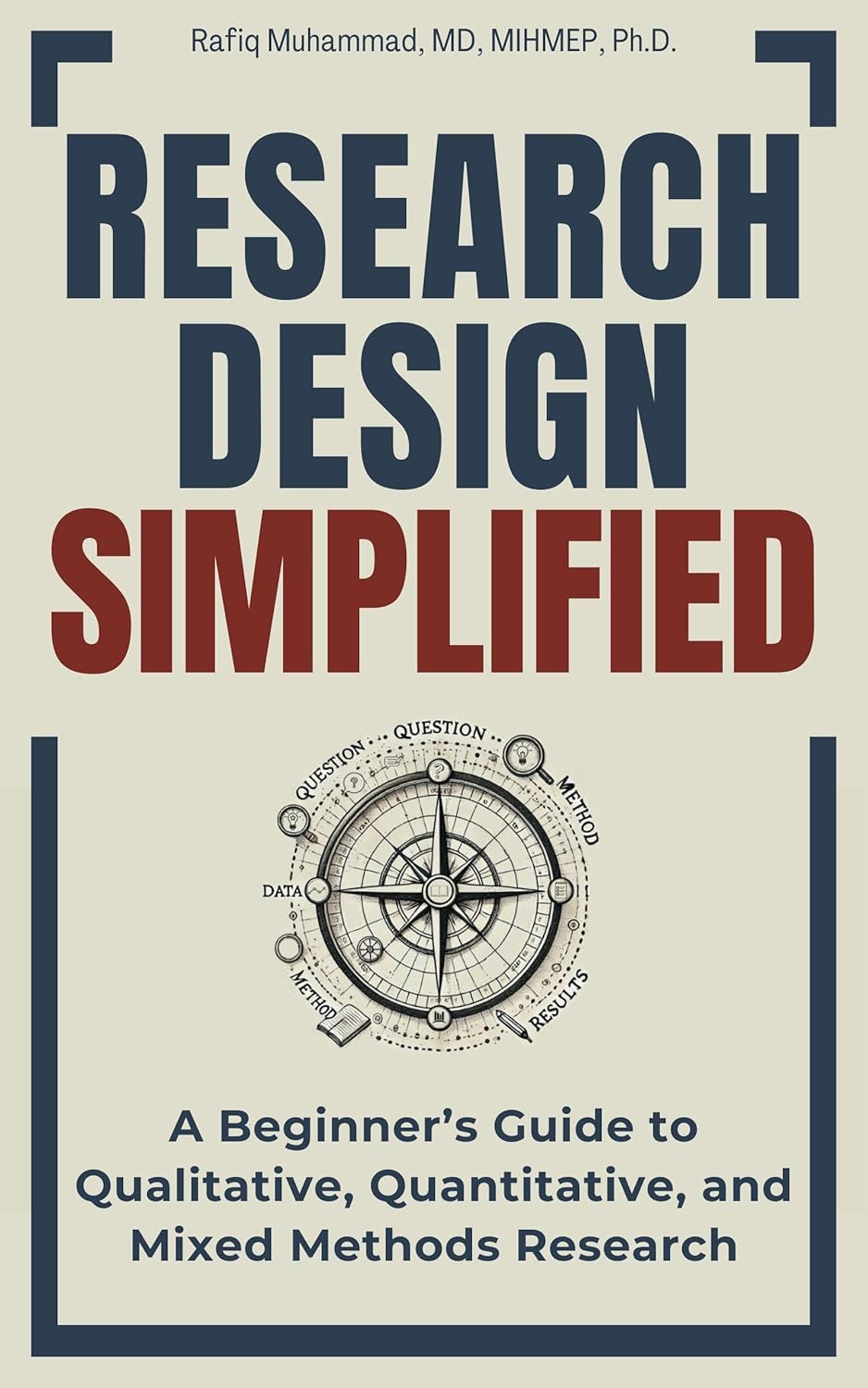
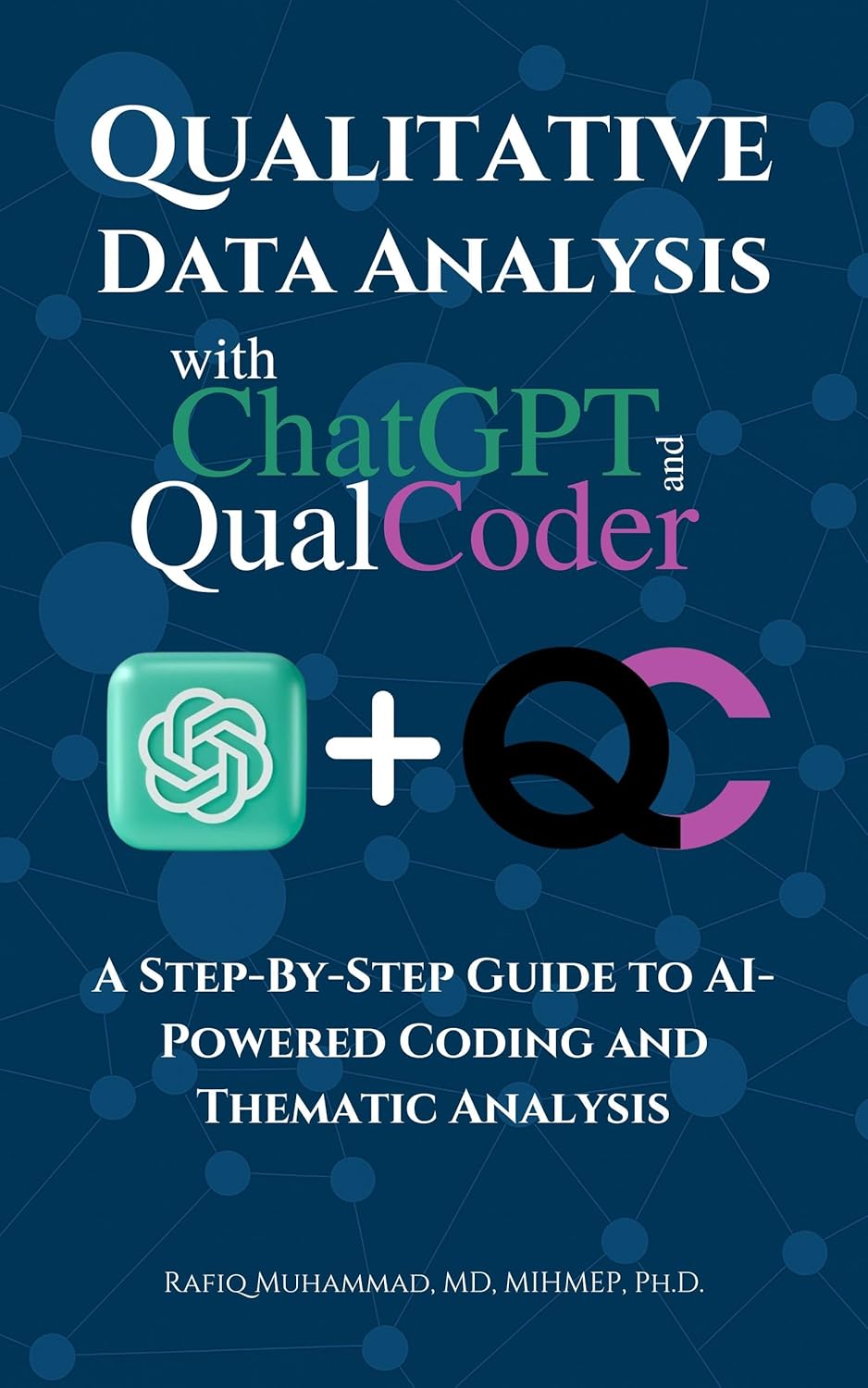
Yes. Research Design Simplified explains study types, variables, validity/reliability, and sampling; Qualitative Data Analysis with ChatGPT & QualCoder covers coding, codebooks, thematic analysis, and intercoder reliability; mixed-methods guidance ties both together.
Action-first structure, ready-to-use templates, and GEO/SEO-style “answer first” explanations. You’ll see worked examples, model paragraphs, and publishing checklists that shorten the path to a peer-reviewed submission.
Yes. Write and Publish a Scientific Paper gives you journal-fit criteria, section-by-section drafting formulas, response-to-reviewers scripts, and common-rejection fixes—so you can move from draft to submission with confidence.
Absolutely. You’ll learn how to build a defensible codebook, run transparent AI-assisted coding, log decisions, and export artifacts for appendices—without losing methodological rigor.
Health sciences, social sciences, education, business, and interdisciplinary fields. Principles are universal, with examples you can swap for your domain.
Most readers report momentum in 1–2 weeks: a structured outline, a working codebook, or a full literature-review draft. The sprint plans help you keep going day-by-day.
Yes. The series includes disclosure language, limits of use, verification steps, and integrity checklists so your work stays compliant with program and journal policies.
No. Every AI workflow (e.g., ChatGPT + QualCoder, prompt design, validation steps) is explained step-by-step with examples and cautions for responsible use.
Yes. All checklists, outlines, and writing templates are designed to be adapted to your university guidelines, discipline, and preferred reference style.
Yes—every title ends with quick-win checklists (e.g., proposal readiness, dataset hygiene, figure/table finalization, submission “go/no-go”).
They’re available on Amazon (Kindle and print). Links are provided on this site’s book pages.